Sad Child May Overeat
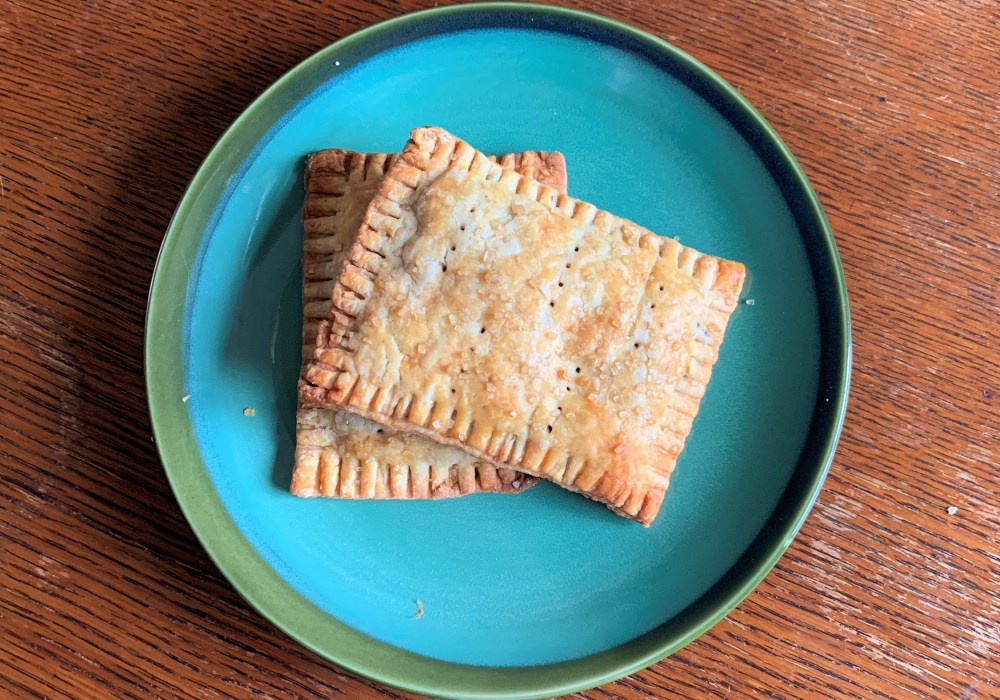
Skip to recipe for homemade toaster pastries
I’m ready to talk about comfort food.
The first recorded use of the term “comfort food” was in an article about obesity, published by the Palm Beach Post in 1966. The headline was, “Sad Child May Overeat.” The article talks about how people turn to the foods they associate with childhood when they’re under “severe distress.” Since then, researchers have explored the chemistry and psychology of comfort food. In a 2015 study, students were asked to tell stories about breakups and fights with loved ones. Then they were given potato chips. There was also a control group of students who weren’t forced to relive any interpersonal trauma, and were just paid to have a snack in a lab. The participants who told the sad stories (and had healthy relationship patterns to begin with) ranked the potato chips as more delicious than the participants who didn’t. This, apparently, is scientific evidence of a link between our feelings about food and our relationships.
This all seems pretty straightforward. You don’t have to do a blind study to know that “sad child may overeat.” The concept of comfort food is so innate and universal that the New York Times asked all the democratic presidential candidates what their favorite comfort foods were, presumably in an effort to humanize them. But then, many of the candidates answered this question as though they had just panic-Googled “normal foods for human mouths.” Answers ranged from vegan cupcakes to whiskey to beef jerky. Cory Booker said “veggies.” So maybe the concept of comfort food is more complicated than it appears.
Read More
 Sprinkle Fix